
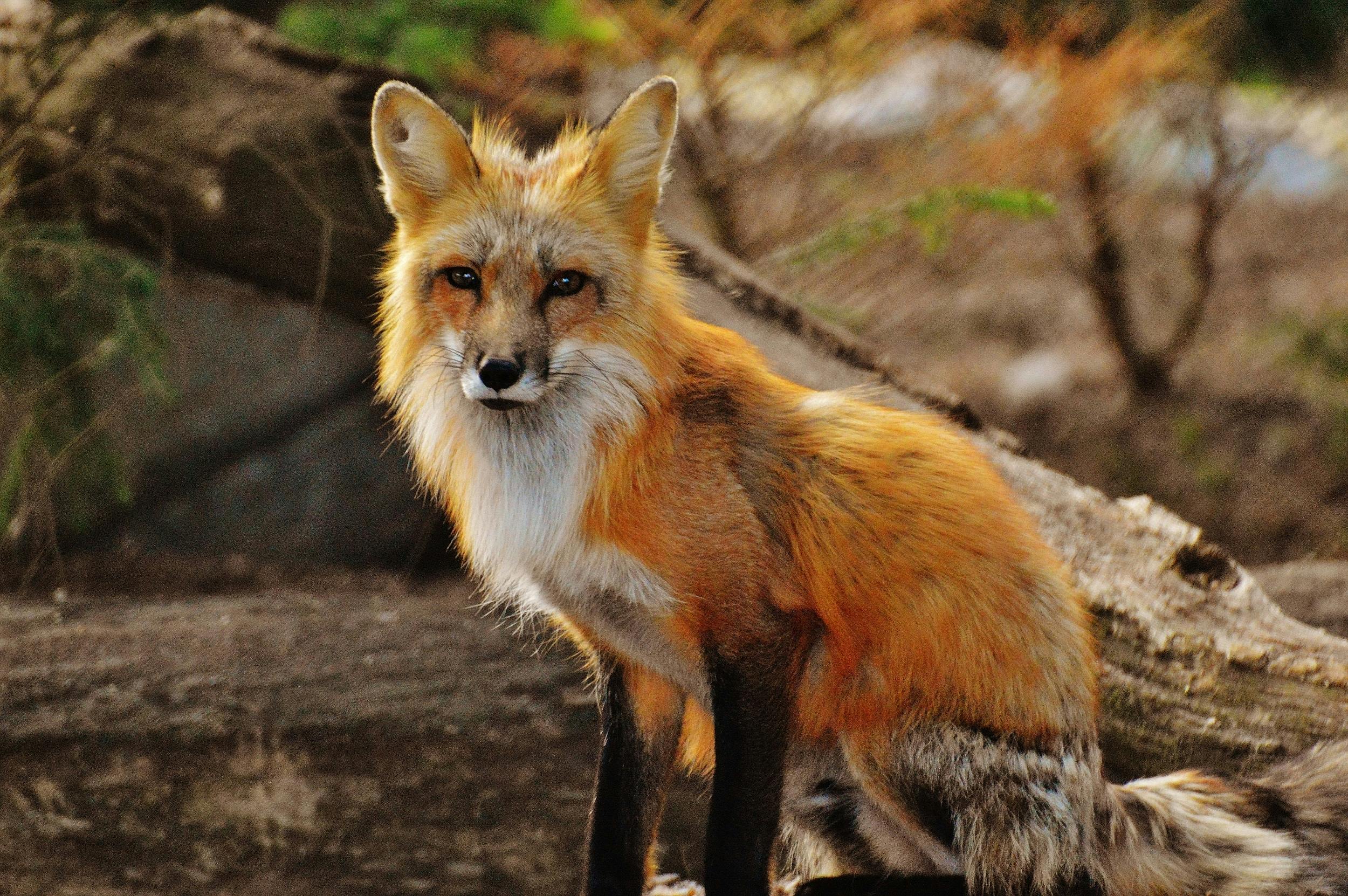
The fox is one of the most sensible and adaptable animals in the world. Regarded for its sharp mind, fluffy tail, and mysterious behavior, the fox has involved human beings for centuries. From snowy tundras to busy towns, foxes have discovered the way to continue to exist almost anywhere on the planet.
What is a fox?
Despite being smaller and more agile than their family members, wolves, puppies, and jackals are not foxes; they are members of the Canidae family. There are more than 37 species of foxes, with the pink fox being the most widespread.
Bodily Functions
Foxes can be easily diagnosed by using their:
- Pointed ears
- long bushy tail (referred to as a broom)
- slim frame and sharp snout
Pink foxes are orange-pink, Arctic foxes are white in the winter, and Fennec foxes have pale sandy fur that blends into deserts, depending on the species and habitat.

Habitat and Distribution
Foxes are located on nearly every continent besides Antarctica. They live in:
- Forests
- The desert’s grasslands
- Mountains
- city regions
Yes, foxes can even stay close to human beings! Urban foxes regularly adapt by finding food scraps and shelter in parks
and deserted areas.
Weight-Reduction Plan and Hunting Style
Foxes are omnivores, meaning they devour both plants and animals. Their eating regimen includes:
Small mammals (mice, rabbits)
Birds and insects
Fruits and berries
Leftover food in urban areas
The pouncing jump, in which foxes excessively bounce and dive nose-first into snow to capture hidden prey, is one of the
mostwonderful behaviors.
Behavior and Intelligence
Foxes are mostly nocturnal, so they may be active at night and are known for being extremely intelligent and cautious. This intelligence allows them to get away from predators and hunt correctly.
Foxes talk about the use of:
- body language
- Tail movements
- Over 40 extraordinary vocal sounds
Foxes and humans
In folklore and memories, foxes are regularly shown as tricksters or symbols of intelligence. In point of fact, foxes are shy animals who frequently avoid humans. They play a vital role in nature by controlling rodent populations.
Fun Fox Facts
- A fox’s tail helps with balance and heat.
- Foxes can listen to prey shifting underground.
- Baby foxes are referred to as kits or cubs.
- Foxes can run up to 50 km/h (31 mph).
conclusion
The fox is more than just a beautiful animal; it also knows how to survive. The fox continues to thrive in both human-dominated and wild environments thanks to its intelligence, adaptability, and attractiveness. Learning more about foxes enables us to recognize the stability of nature and the wonderful talents of flora and fauna.